
When starting a fashion brand, one of the most common questions is about minimum order quantities (MOQ). Understanding how MOQ works in clothing manufacturing is essential for planning production and managing costs effectively.
This guide explains what minimum order quantities are, why they exist, and how brands can approach production in a structured and realistic way.
What Is a Minimum Order Quantity (MOQ)?
A minimum order quantity is the smallest number of garments a manufacturer produces in a single production run.
MOQ exists to ensure that production remains efficient. Garment manufacturing involves multiple stages—material sourcing, cutting, sewing, and finishing. Producing very small quantities makes these processes less efficient and significantly increases costs per unit.
For this reason, manufacturers define minimum quantities per style to maintain consistency and production efficiency.
Typical Minimum Order Quantities
Minimum order quantities vary depending on the garment, materials, and production setup.
For structured production workflows like those used by The Fabrica, minimums typically start from:
- ~150 units per style for most projects
- Higher quantities depending on complexity, fabric requirements, or customization
Rather than fixed tiers, MOQ is usually determined by:
- fabric sourcing requirements
- production complexity
- number of variations (colors, prints, etc.)
Why Manufacturers Require MOQ
There are several key reasons why minimum quantities are necessary:
Material Sourcing
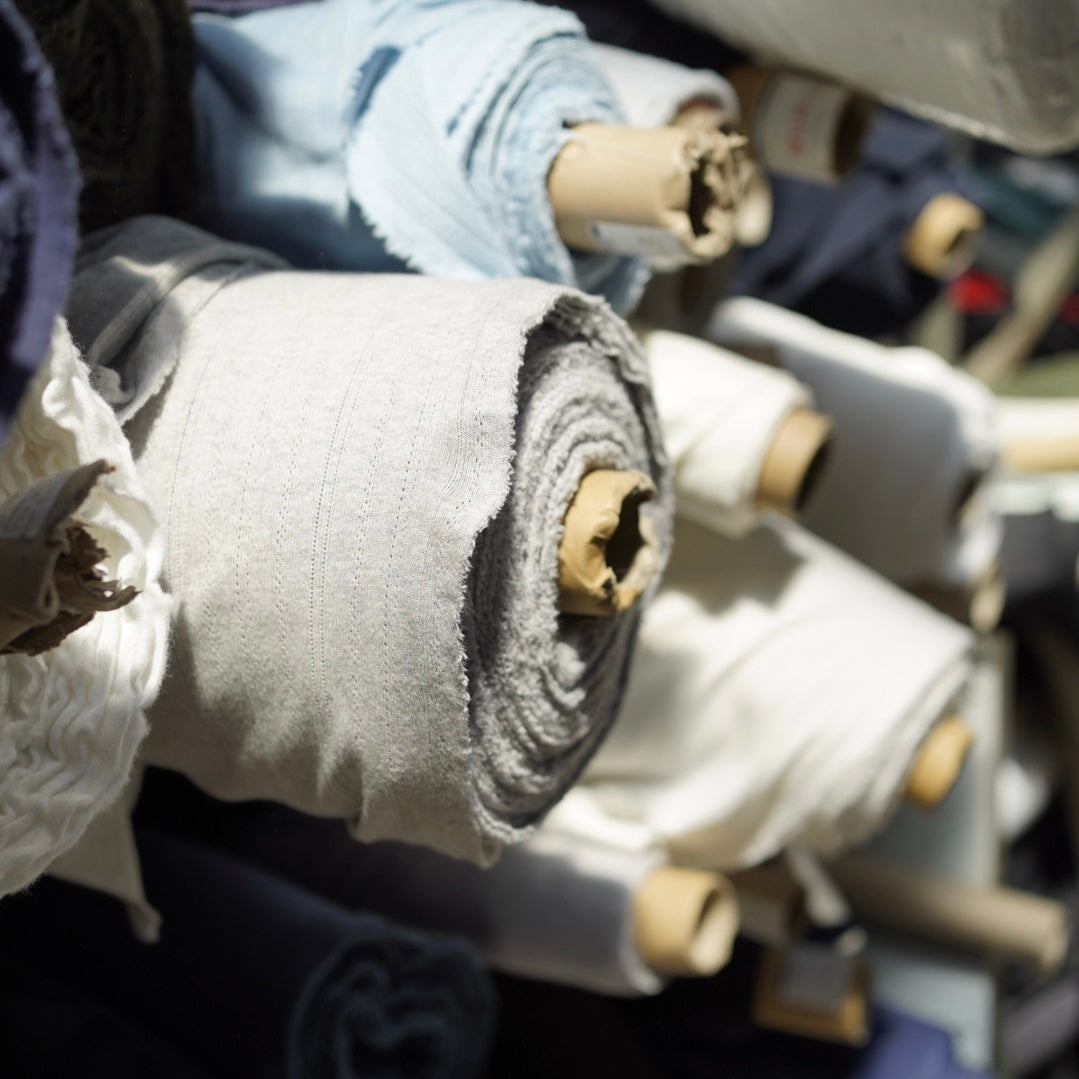
Fabrics and trims are often supplied in minimum rolls or batches. Smaller orders may not meet supplier requirements.
Production Setup
Each style requires preparation—patterns, cutting layouts, and machine setup—which takes time regardless of quantity.
Efficiency in Manufacturing
Garment production involves multiple stages. Larger quantities allow better workflow organization and more consistent results.
Can Smaller Brands Work With MOQ?
Yes—especially when production is planned strategically.
Instead of producing many different styles in small quantities, brands often:
- focus on a few core products
- produce multiple sizes within one style
- launch capsule collections
This approach allows brands to meet minimum requirements while managing costs and inventory more effectively.
Planning Production Quantities
Before starting production, it’s important to consider:
- expected sales volume
- pricing strategy
- product positioning
- inventory planning
Choosing the right quantity helps balance cost efficiency with market demand.
Working With the Right Production Partner
MOQ should not be seen as a barrier, but as part of a structured production process.
Working with an experienced partner like The Fabrica helps clarify realistic quantities, align expectations, and plan production more effectively from the start.
Final Thoughts
Minimum order quantities are a standard part of clothing manufacturing. While they can feel restrictive at first, they are essential for ensuring production efficiency and consistent quality.
By focusing on well-planned collections and realistic production volumes, brands can build a strong foundation for growth.
Start your production project with confidence.
Share:
How to Start Clothing Production for Your Fashion Brand
How Much Does Clothing Production Cost for a Fashion Brand?