
Ensuring Quality Assurance in Clothing Production: A Guide for Fashion Brands
In the fast-moving world of fashion, quality assurance (QA) plays a critical role in delivering consistent, reliable products. Strong QA processes not only reduce production issues but also help build long-term trust with customers.
At The Fabrica, quality control is integrated throughout the production workflow—from material selection to final delivery. Below are key strategies brands can use to maintain high standards in garment production.
1. Define Clear Quality Standards
Establishing measurable quality benchmarks is essential for consistency. This includes defining expectations for fabric performance, stitching precision, sizing accuracy, and print or embroidery quality.
Rather than relying on assumptions, documented standards ensure alignment between design, sampling, and production teams.
2. Inspect Fabrics and Materials Early
Material quality directly impacts the final product. Testing fabrics for shrinkage, colorfastness, and durability before production helps avoid costly errors later.
Working with trusted suppliers and verifying materials upfront is especially important when developing custom garments or scaling production.
3. Develop and Review Prototypes
Sampling is a crucial step in identifying issues with fit, construction, or design details before bulk production begins.
Providing prototypes or pre-production samples allows brands to validate their product and make adjustments early, reducing risks during manufacturing.
4. Monitor Production at Every Stage
Effective QA doesn’t happen at the end—it’s continuous. Monitoring each stage of production (cutting, sewing, printing, finishing) helps catch defects early and maintain consistency across batches.
Structured checkpoints and clear communication between teams are key to minimizing errors.
5. Conduct Final Quality վերահChecks
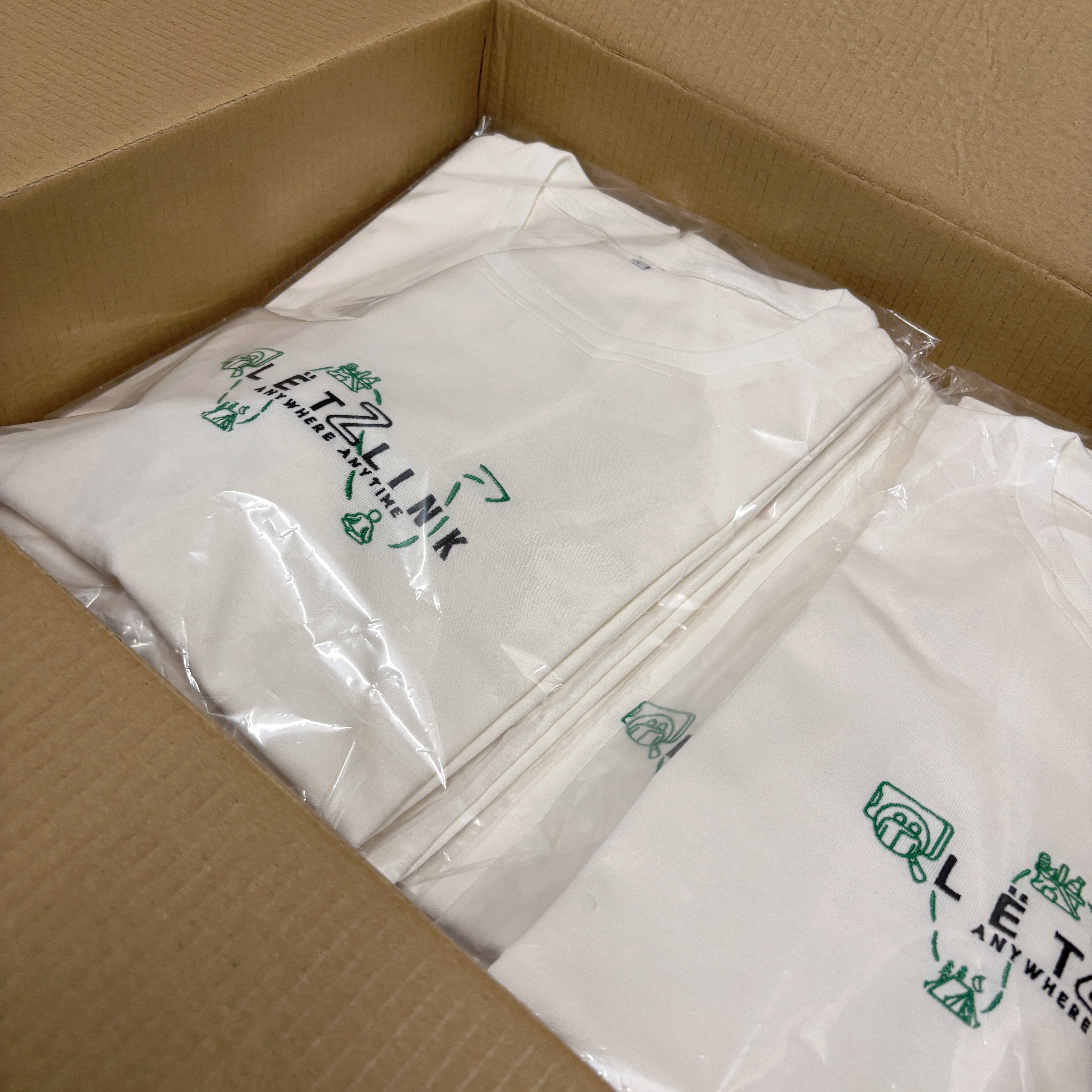
Before shipment, a final inspection ensures that each product meets defined standards. This includes reviewing construction quality, verifying design accuracy, and checking for defects.
A thorough final QA process helps prevent returns, protects brand reputation, and ensures customers receive products that meet expectations.
Share:
🧵 The Fabrica: Bringing Your Vision to Life