

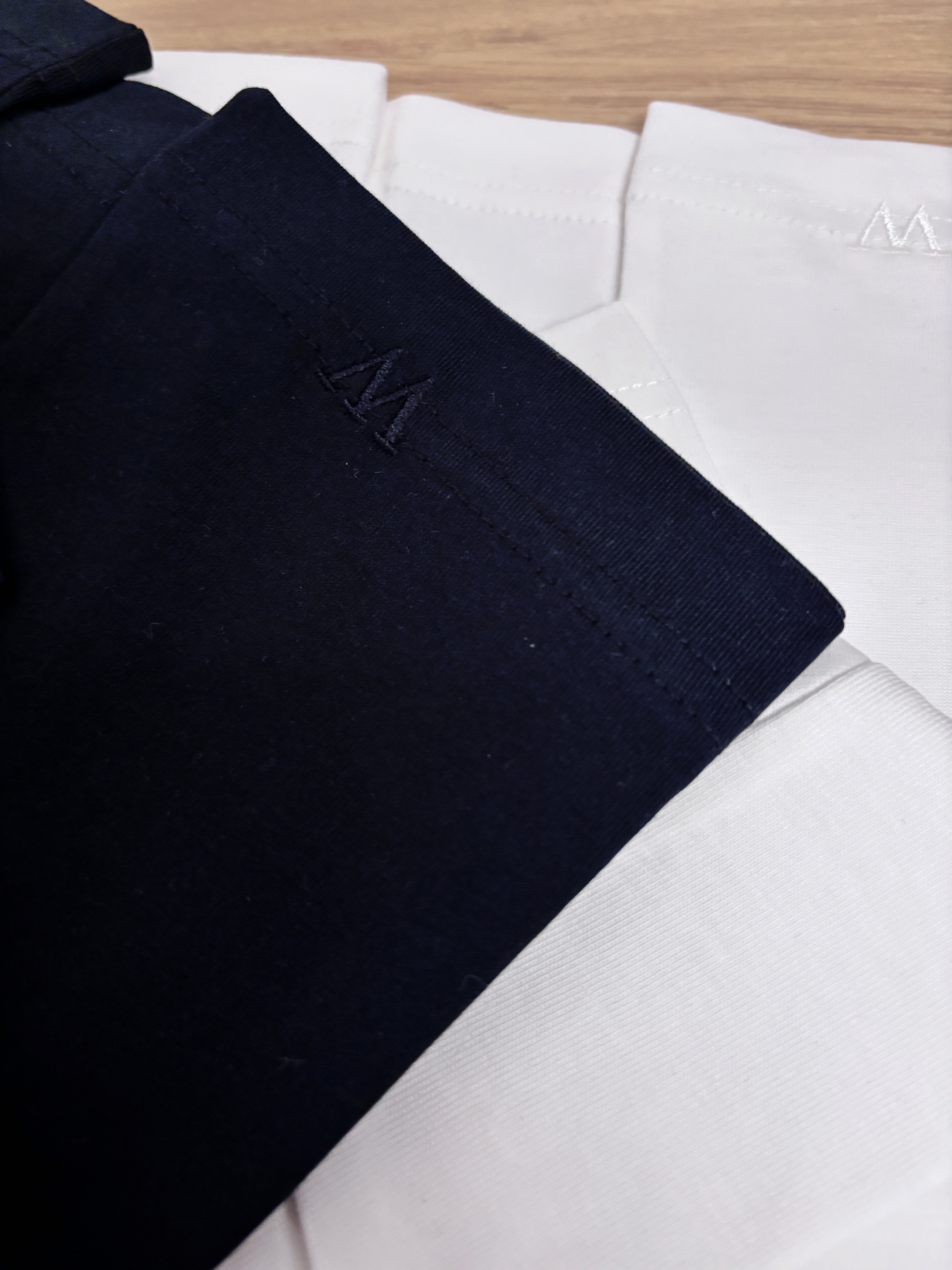
Overview
The brand LWVRS aimed to develop a new t-shirt model intended for bulk production. Before committing to a full manufacturing run, a sample piece was created to evaluate the design direction, material quality, fit, and overall product execution.
Objective
The goal of the sampling phase was to validate whether the envisioned t-shirt model aligned with the client’s expectations and brand standards before proceeding with large-scale production.
Process
A prototype t-shirt was developed based on the initial design brief. This sample served as a tangible reference for evaluating:
-
Fit and silhouette
-
Fabric quality and feel
-
Design execution and detailing
-
Overall alignment with brand identity
Outcome
The client was highly satisfied with the sample in terms of craftsmanship, quality, and visual execution. The final result met expectations on a technical and aesthetic level.
However, after reviewing the physical product, the client decided not to move forward with this specific t-shirt model for bulk production. The decision was based on strategic considerations regarding product direction and market fit rather than dissatisfaction with the sample itself.
Key Learning
This project reinforces an important principle in product development:
Sampling is essential before mass production.
Even when a sample is well-executed and meets quality expectations, it provides critical insights that cannot be fully assessed through digital concepts or mockups alone. It allows brands to:
-
Validate product-market fit
-
Identify strategic misalignments early
-
Avoid costly production errors
-
Make informed final decisions
Conclusion
The LWVRS case highlights that a successful sample is not only about approval, but about clarity. In this case, the sampling process fulfilled its purpose by providing the client with enough real-world context to confidently decide the best direction for the brand moving forward.
Share:
Soul Intention Tattoo Apparel Production
AMPowerfit Sports Tank Top Development